

BaoTijara Private Limited is a premier trade facilitation partner strategically centered in China. We bridge the gap between global markets and Chinese manufacturing, specializing in secure procurement, quality control, and seamless logistics distribution to the GCC region and beyond.

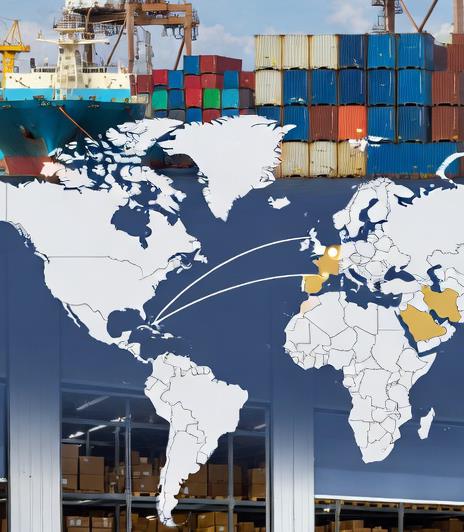
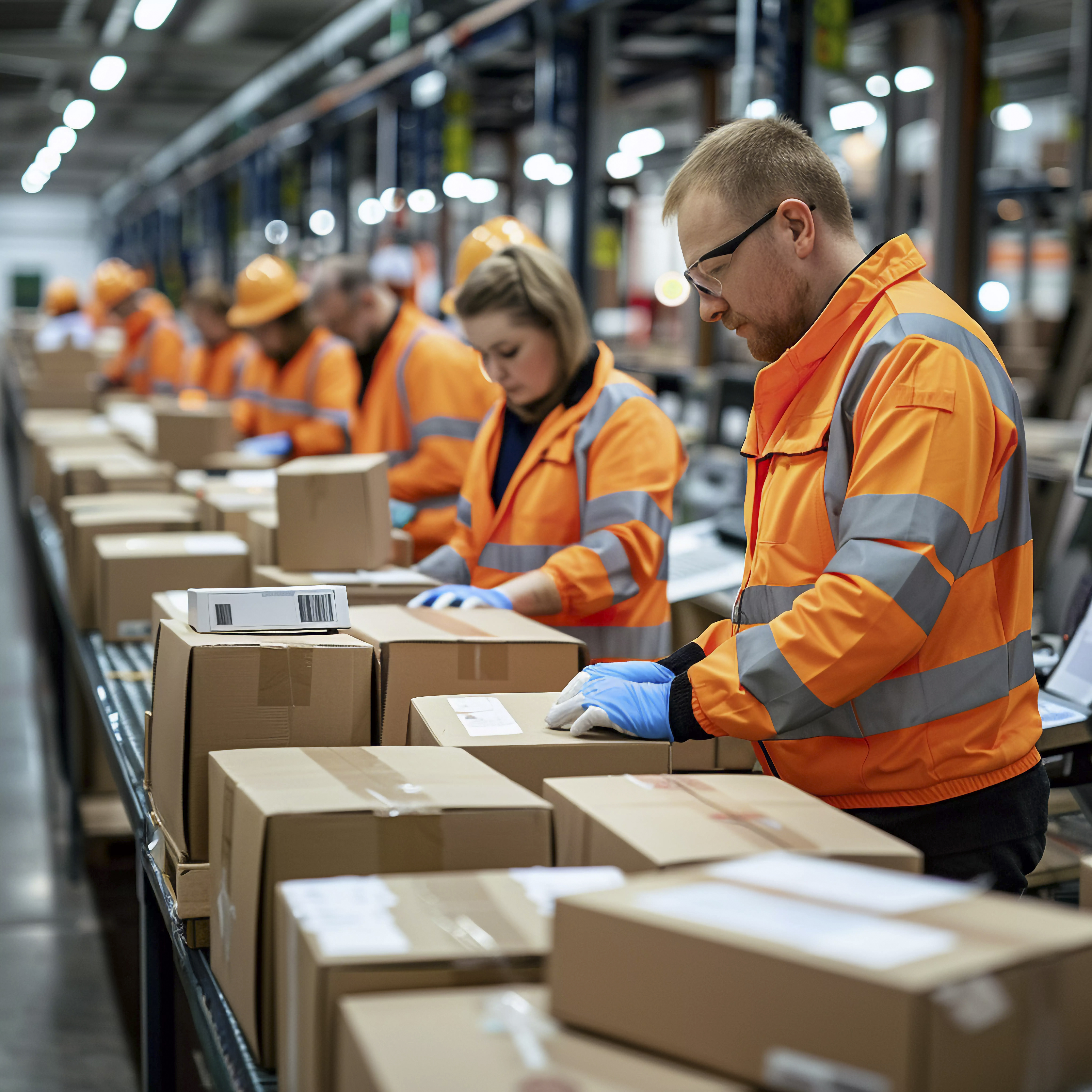
At BaoTijara, we provide expert supply chain guidance to optimize your entire sourcing and distribution process from China. We help you build efficient, resilient, and cost-effective supply chains — covering supplier management, inventory planning, logistics coordination, risk mitigation, and end-to-end visibility — so you achieve faster delivery, lower costs, and higher reliability in global trade.
Supply chain disruptions, high freight costs, long lead times, and poor visibility are common challenges when dealing with China. Our experienced consultants analyze your current chain, identify bottlenecks, recommend improvements in sourcing strategy, transportation modes, inventory levels, and supplier diversification. We help you reduce costs by 10–25%, shorten lead times, improve quality consistency, and build a more robust supply chain that can withstand global uncertainties.
Our Supply Chain Guidance services include:
Supply chain optimization means improving every step — from raw material sourcing to final delivery — to reduce costs, shorten lead times, improve quality, and increase reliability. Businesses typically save 10–30% on logistics and inventory costs while gaining better control and resilience.
We analyze your current routes, consolidate shipments, choose optimal modes (sea LCL/FCL, air, rail), negotiate better freight rates, use near-shoring options when possible, and implement better packaging/weight optimization to significantly lower total landed costs.
We help you build redundancy — work with multiple suppliers in different regions of China, maintain safety stock, monitor geopolitical & weather risks, use real-time tracking tools, and create contingency plans (alternative ports, backup suppliers) to minimize impact of disruptions.
Yes. We assist in demand forecasting, safety stock calculation, reorder point setting, and implementing lean inventory practices to reduce overstocking (capital tied up) and stockouts (lost sales), while keeping your supply chain lean and responsive.
Yes. We advise on selecting eco-friendly suppliers, optimizing transport routes to reduce carbon emissions, using recyclable packaging, complying with sustainability regulations (e.g., EU CBAM), and tracking Scope 3 emissions — helping you meet buyer requirements and improve brand reputation.